 Most viewed Most viewed |
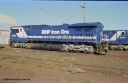
236-28419 viewsNelson Point Loco Overhaul Shop, BHP Iron Ore's Goninan GE rebuilt CM40-8MEFI unit 5669 'Beilun' serial 8412-02 / 95-160 sits out the front awaiting attention.
|
|
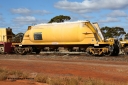
160522 2307419 viewsParkeston, APNY 31155 one of twelve built by WAGR Midland Workshops in 1974 as WNA type pneumatic discharge nickel concentrate waggon, WAGR built and owned copies of the AE Goodwin built WN waggons for WMC.
|
|
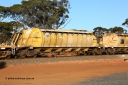
160523 3578419 viewsBinduli, nickel concentrate train 2438, WN type pneumatic discharge nickel concentrate waggon WN 501, type leader of thirty such waggons built by AE Goodwin NSW as WN type in 1970 for WMC.
|
|
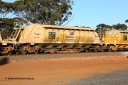
160523 3580419 viewsBinduli, nickel concentrate train 2438, WN type pneumatic discharge nickel concentrate waggon WN 509, one of thirty built by AE Goodwin NSW as WN type in 1970 for WMC.
|
|
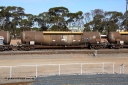
160531 9871419 viewsWest Kalgoorlie, diesel fuel tanker ATPY 601, built by WAGR Midland Workshops in 1976 as WJP type for BP Oil, capacity of 80500 litres.
|
|
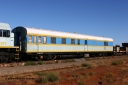
060528 4181419 viewsParkeston, South Spur Rail AVDP type crew accommodation coach AVDP 277, built for the Commonwealth Railways by Comeng NSW as a brake van with sleeping accommodation as HRD type HRD 277 in 1971, modified for relay working in 1977, recoded to AVDY in 1983, then in 2002 leased for MurrayLander service before being sold to South Spur Rail and in this livery from mid 2005.
|
|
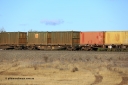
161111 2417419 viewsKalgoorlie, Malcolm freighter train 5029, waggon AQNY 32185 one of sixty two waggons built by Goninan WA in 1998 as WQN type for Murrin Murrin container traffic with two Bis Industries hard-top 25U0 type sulphur containers, undecorated BISU 100017 and decaled BISU 100094.
|
|
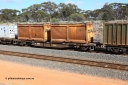
161112 3009419 viewsWest Kalgoorlie, loaded Malcolm sulphur train 6029, AQNY type waggon AQNY 32174 one of sixty two waggons built by Goninan WA in 1998 as WQN type for Murrin Murrin container traffic with a pair of original style sulphur containers with sliding tarpaulins, S144C G919 and S17V G907.
|
|
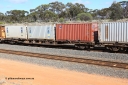
161112 3013419 viewsWest Kalgoorlie, loaded Malcolm sulphur train 6029, AQWY type waggon AQWY 30214, one of forty five waggons built by WAGR Midland Workshops as WFX type in 1974, loaded with three TEU 22G1 type containers, FCIU 277768, RWLU 814079 and RWLU 704726.
|
|
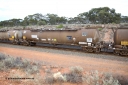
161116 5122419 viewsWest Kalgoorlie, Shell fuel train 3442, tank waggon ATBY 14594, built by Westrail Midland Workshops 1981 for Bain Leasing as narrow gauge type JPB, to SG as WPJB then WJBY, 82 kL one compartment one dome, fitted with type F InterLock couplers, vacuum brake pipe, Shell Fleet no. TR728.
|
|
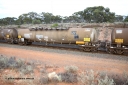
161116 5123419 viewsWest Kalgoorlie, Shell fuel train 3442, ATPF 577 fuel tank waggon built by WAGR Midland Workshops 1974 for Shell as type WJP, 80.66 kL one compartment one dome, capacity of 80500 litres, fitted with type F InterLock couplers Shell Fleet no. TR712.
|
|
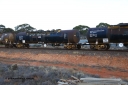
161116 5554419 viewsBinduli, empty Shell fuel train 4443, tank waggon NTBF 6121, built by Comeng NSW 1975 as SCA type SCA 272 for Shell Bitumen, fitted with conventional couplers.
|
|
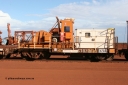
0665 Mt Newman Mining Workshops 050319 0141419 viewsNelson Point, cut down Magor USA built former Oroville Dam 91 ton ore waggon 665, now used as the crib waggon on the steel train, side view.
|
|
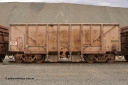
0515 Magor USA 050412 0760419 viewsQuarry 8, Shaw Siding area. Side view of 1963 built Magor USA ballast waggon 515.
|
|
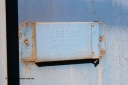
CHRY 753 050518 2136419 viewsFlash Butt yard, CFCLA hire ballast waggon CHRY type CHRY 753, defect card holder.
|
|
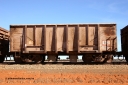
0502 Magor USA 050518 2162419 viewsBing Siding. Side view of 1963 built Magor USA waggon 502, one of twenty waggons originally used on the Oroville Dam construction before coming to the Pilbara in January 1968 as ballast waggons.
|
|
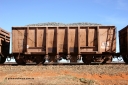
0516 Magor USA 050518 2193419 viewsBing Siding. Side view of 1963 built Magor USA waggon 516, one of twenty waggons originally used on the Oroville Dam construction before coming to the Pilbara in January 1968 as ballast waggons.
|
|
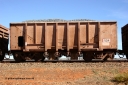
0504 Magor USA 050518 2195419 viewsBing Siding. Side view of 1963 built Magor USA waggon 504, one of twenty waggons originally used on the Oroville Dam construction before coming to the Pilbara in January 1968 as ballast waggons.
|
|
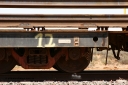
6209 Comeng WA 051001 5688419 viewsBoodarie, the Steel Train or rail recovery and transport train, builders plate detail of flat waggon #12, 6209, a Comeng WA built flat waggon from January 1977 under order no. 07-M-282 RY.
|
|
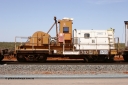
6702 Mt Newman Mining Workshops 051001 5730419 viewsBoodarie, the Steel Train or rail recovery and transport train, flat waggon #30, 6702, heavily cut down and modified Magor USA ore waggon by Mt Newman Mining workshops, converted to a 50 tonne waggon and designated the winch waggon with generator set to power the winch and the crib car.
|
|
| 19259 files on 963 page(s) |
 |
|
|
|
|
|
|
|
641 | |
|
|
|
|
|
|
|
 Login
Login

